A Blue Jay’s Moonshot: Gene Matranga ’50
It is true that no Blue Jay has yet set foot on the moon. But it is also true that only because of a Blue Jay that anyone ever has.
When
The Catalogues of Jesuit High School from Matranga’s graduation year emphasized that “No instrument can act beyond its capabilities. The intellect is man’s God-given instrument. The wider its capabilities, the more and better work it can do.” Matranga’s life reflected the heights to which humanity can ascend with such a well-trained intellect, and his contribution to NASA as the project manager and senior engineer for the Lunar Landing Research Vehicle marks his accomplishments not only among Blue Jay alumni, but in the halls of twentieth century history.
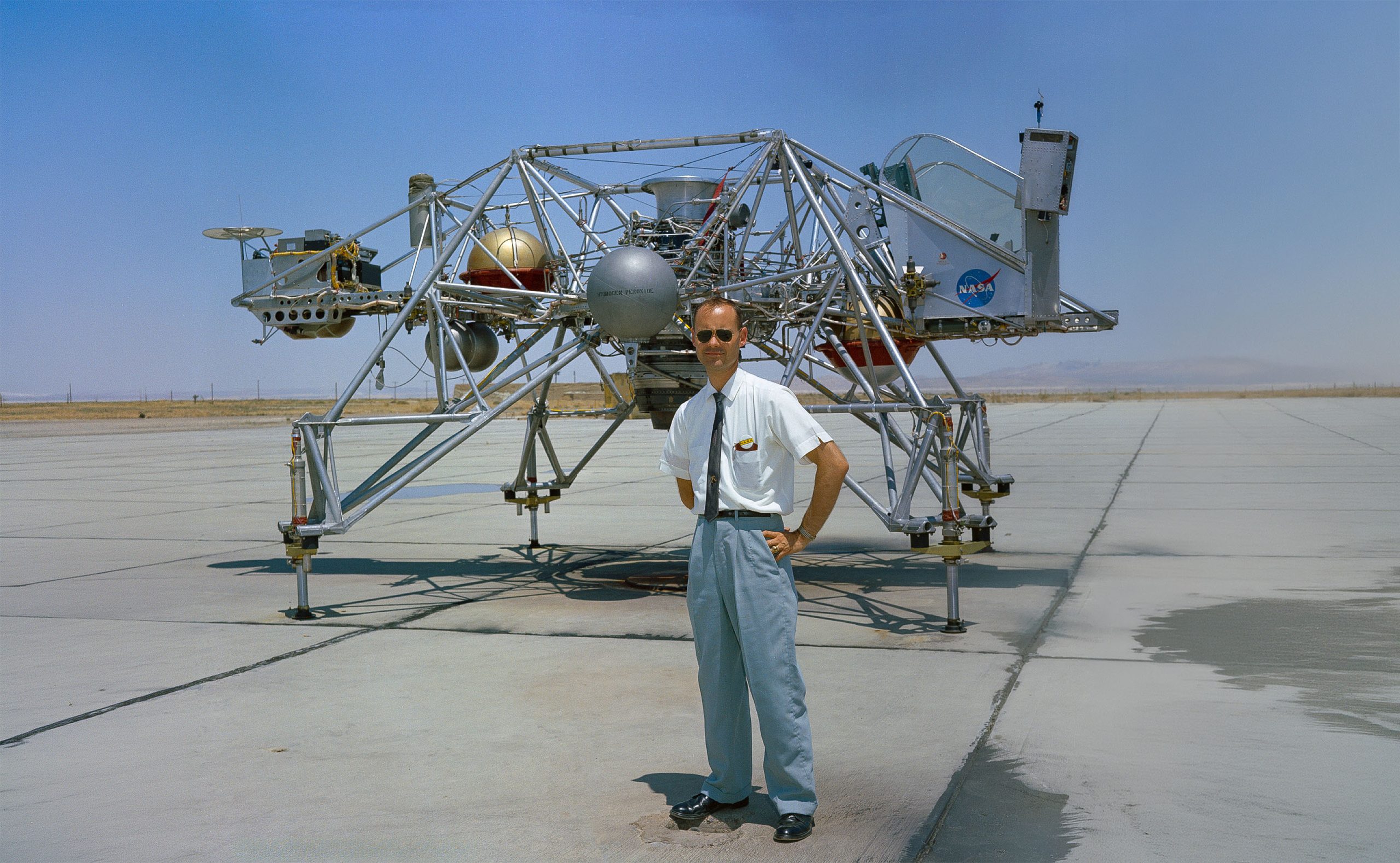
The iconic Lunar Landing Research Vehicle (LLRV), the open-framed “flying bedstead” he helped build at NASA’s Flight Research Center, gave Apollo astronauts the closest thing Earth could offer to the feel of landing on the moon. Neil Armstrong, who counted Matranga as a friend and colleague, said Apollo 11 would not have succeeded without the LLRV and its training successor.
Matranga grew up across Lake Pontchartrain in Abita Springs, LA, before moving during World War II to the south shore, where his grandfather had a home in the Marigny. Matranga graduated with honors from Jesuit in 1950, part of a generation formed in the years just after the war. In Matranga’s case, the habits of mind he formed on Banks Street traveled well: from Mid-City classrooms to the high desert of California, from slide rules to rocket planes, and from academic promise to work on machines that demanded both precision and nerve.
After earning his mechanical engineering degree from LSU in 1954, Matranga moved west and joined the National Advisory Committee for Aeronautics, which would become NASA. He later earned his master’s in aeronautical engineering from the University of Southern California.
He arrived at Edwards Air Force Base while the Mojave was emerging as the nation’s premier center for experimental flight research, the place where supersonic and high-altitude aviation moved from daring concept to disciplined practice. Matranga was not simply present for that era; he was doing the technical work that defined it.
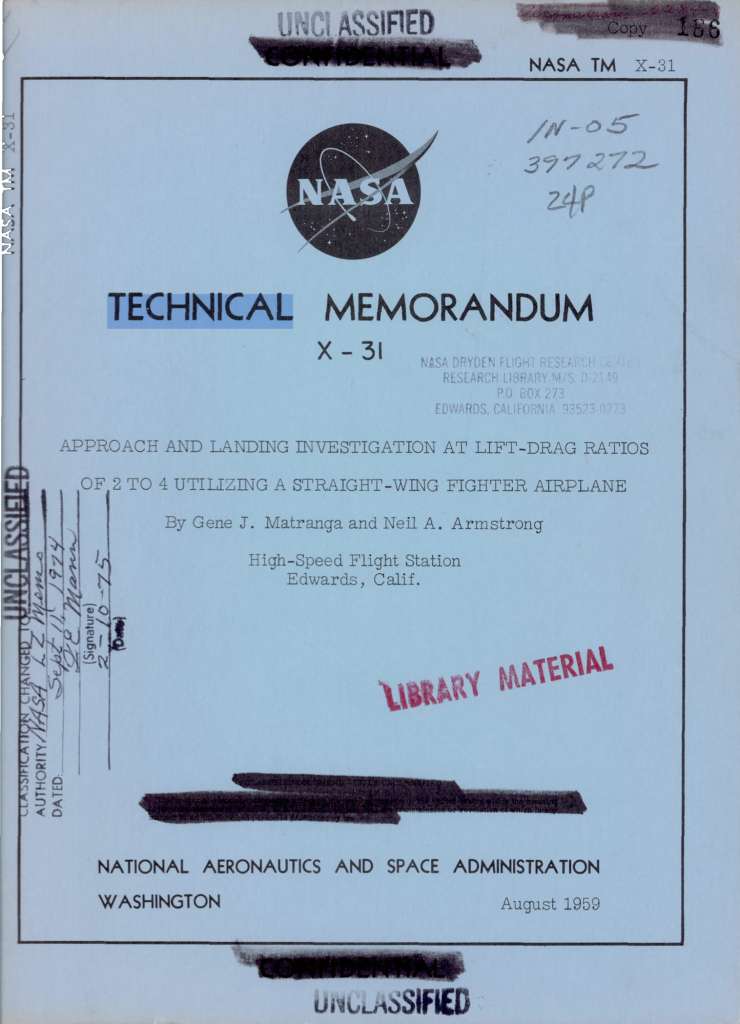
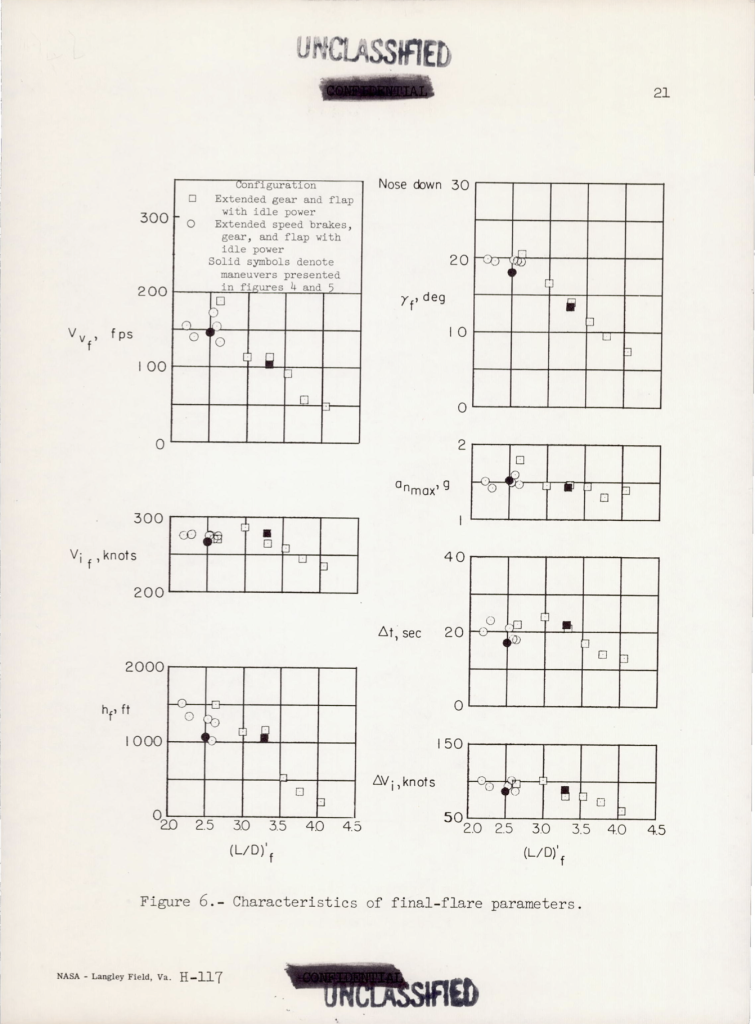
In 1959, he co-authored a NASA technical memorandum with Neil Armstrong on approach-and-landing characteristics. In 1961, he published a NASA technical note analyzing the first 30 X-15 landings. The X-15 program itself would feed knowledge into Mercury, Gemini, Apollo, and later the Space Shuttle.
That background made Matranga a natural fit for one of NASA’s most unusual and consequential assignments.
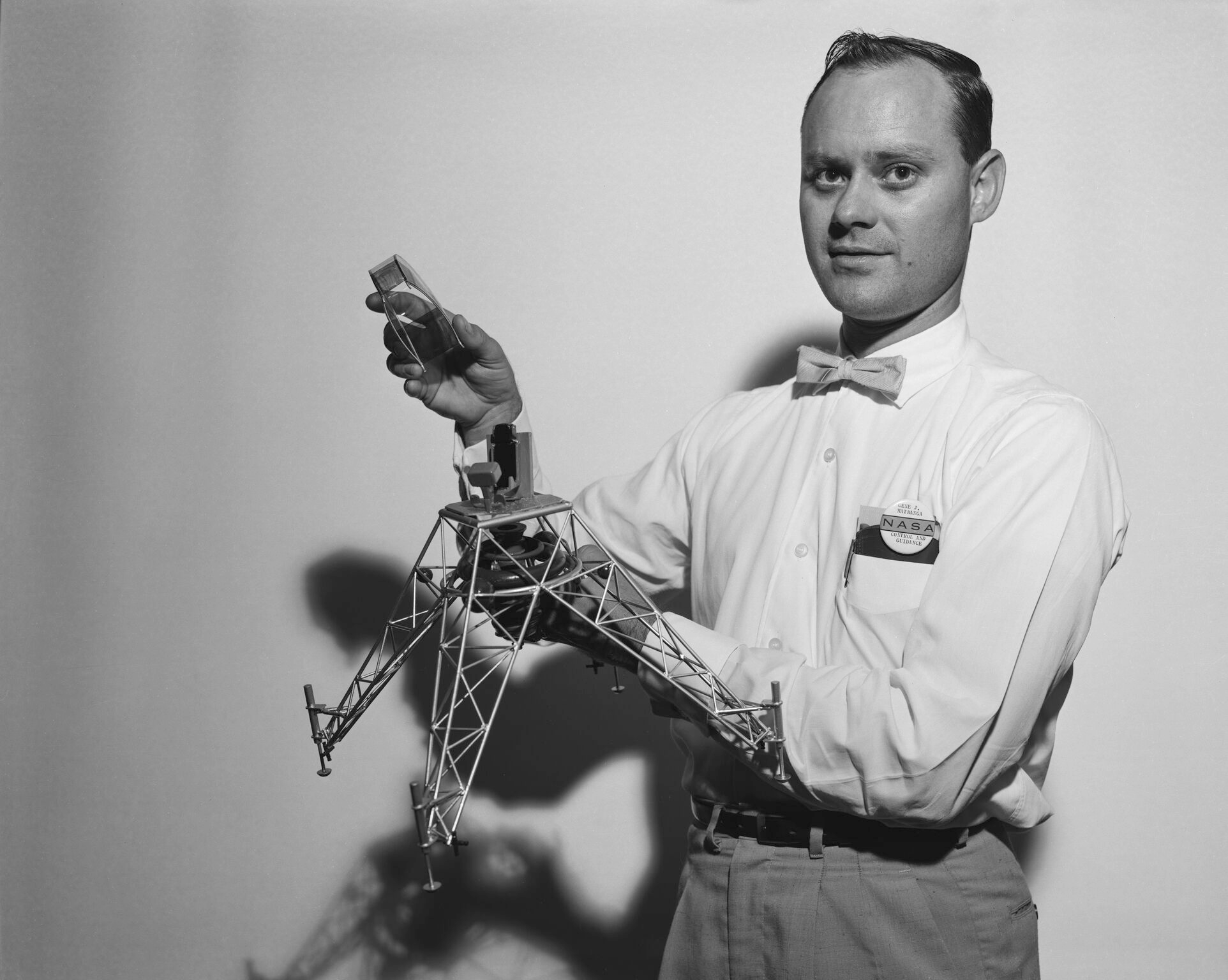
When Apollo planners needed a way to simulate the final descent to the lunar surface, the Flight Research Center developed the LLRV, with Donald Bellman and Matranga serving as senior engineers on the project. The vehicle looked awkward by design. It was solving a problem no aircraft had ever been asked to solve before: how to help a pilot learn the feel of one-sixth gravity and no atmosphere.
The result proved indispensable. NASA’s history of the program records that every Apollo moon-landing commander and backup completed certification in the LLRV or LLTV, and that the commanders credited that training with their successful landings. The same work also contributed to the early development of digital fly-by-wire technology, another reminder that the lunar program left behind more than footprints.
Matranga’s career did not end with Apollo. NASA’s history of the YF-12 program identifies him as the first YF-12 program manager, notes that he headed NASA’s team at the start of the joint research effort in 1969, and he was later promoted to Director of Projects. His later work included the SR-71, the F-117 stealth fighter, and consulting work on the YF-22. He went on to help write the history of the machine most closely associated with his professional legacy, serving as a co-author of NASA’s monograph Unconventional, Contrary, and Ugly: The Lunar Landing Research Vehicle.
Yet his family portrait is as telling as his résumé. Matranga was a voracious reader, a woodworker, a Little League coach, a backpacker with the Boy Scouts and his family, a model-railroad builder, a lover of classical music, and a man who spent decades building a life with Catherine, his wife of 70 years, and their seven children, Eugene, Eric, Mark, Jo, Kirk, Claire, and Gregory. He is survived today by his children, grandchildren, great-grandchildren, great-great-grandchildren, and his brother, Roman.
On the day Apollo 11 landed, his family hurried home from vacation in time to watch the telecast. The engineer whose work helped make the landing possible was not in front of the cameras. He was at home, watching with his family, part of the larger American story he had helped write.
For fellow Blue Jays, that may be the clearest measure of Matranga’s life. He was a gifted student who went on to industry-leading work in one of the defining technical enterprises of the twentieth century. His legacy is an inspiration to Jesuit students and alumni alike, to seek to put their own God-given gifts to “more and better work” in service to others.
When the first Blue Jay does land on the moon, he will have Gene Matranga to thank for it.